
Featured
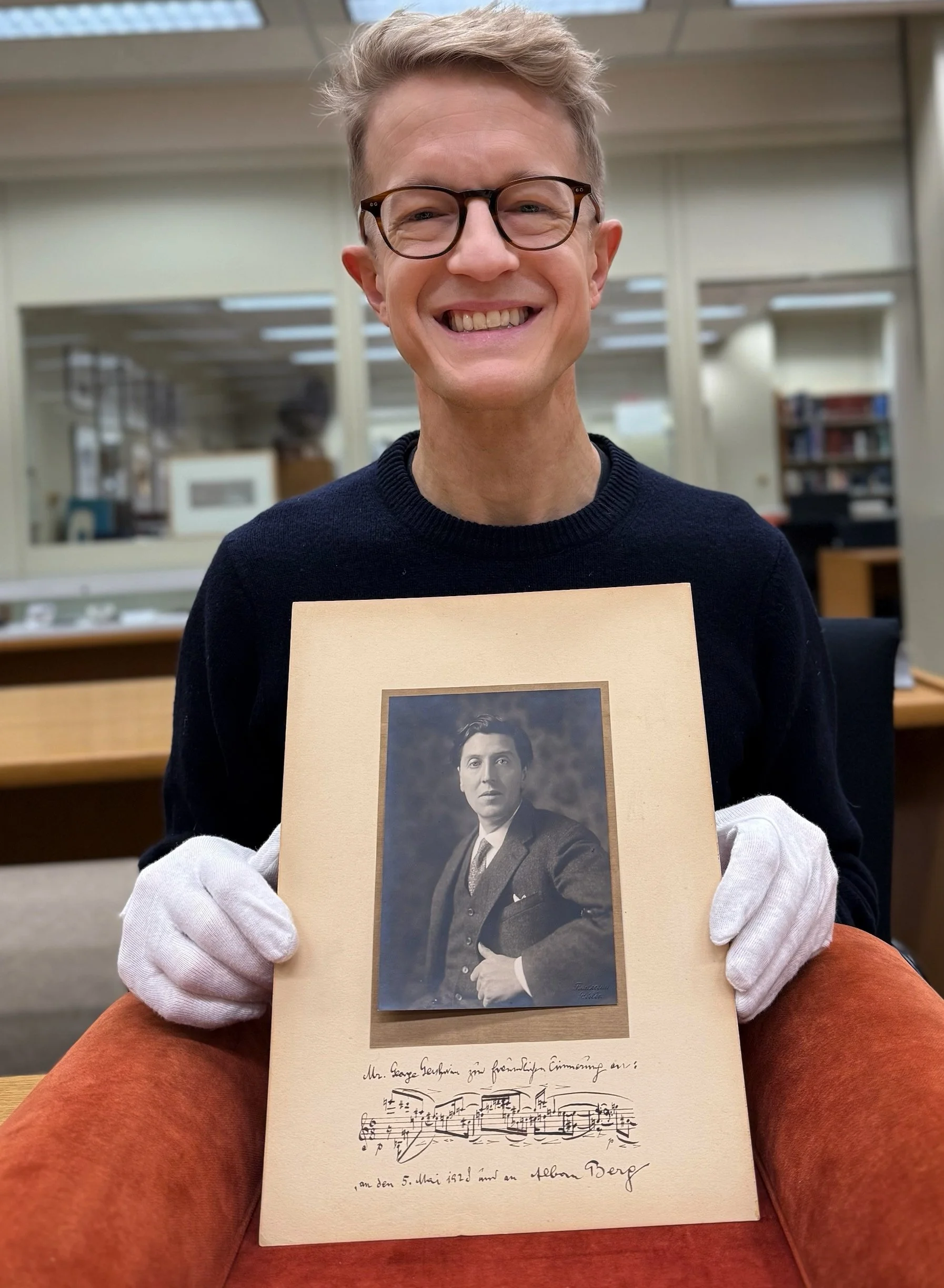

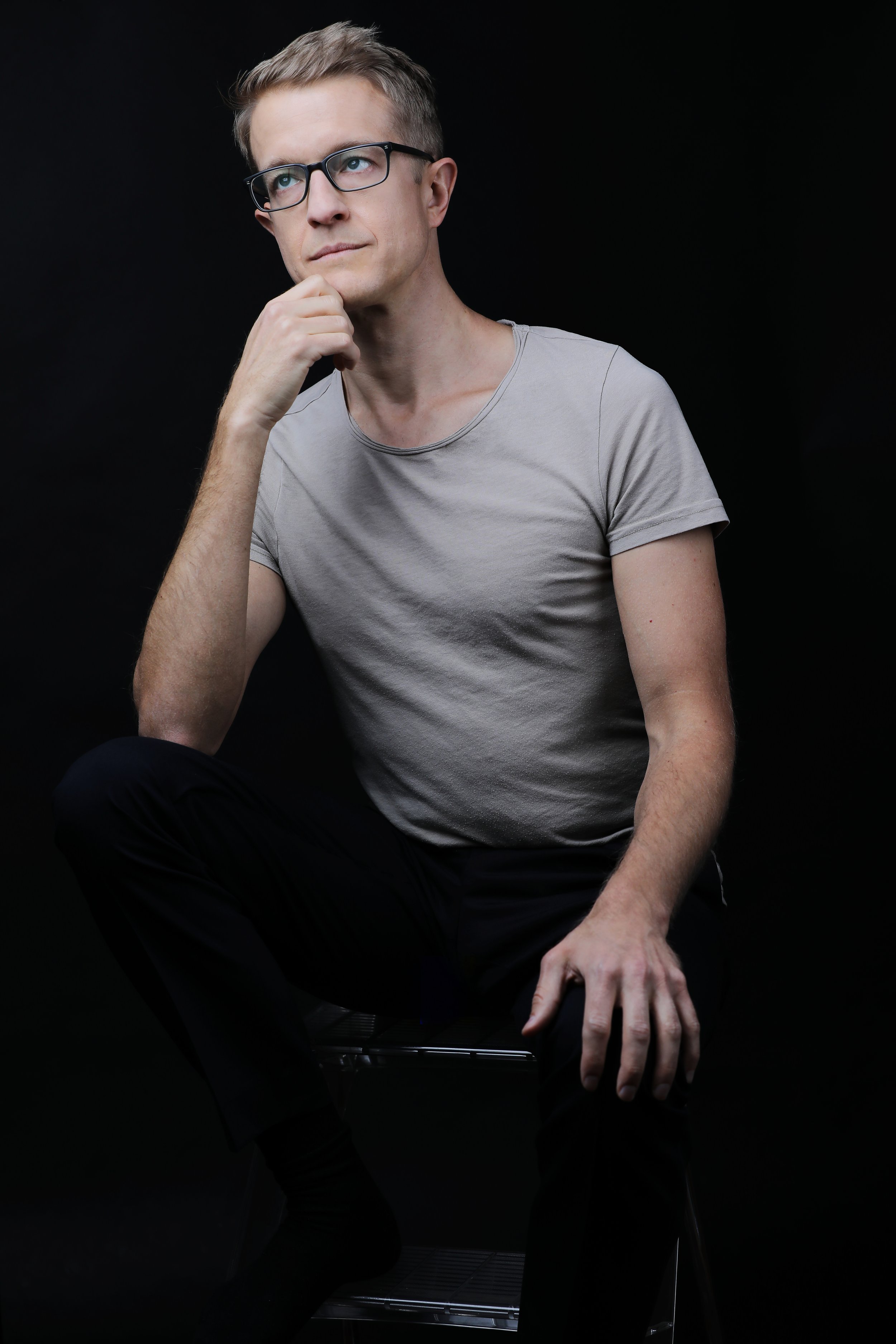


My musical upbringing couldn’t have been more American. Born in Iowa – the very center of the country – with two World War II veterans for grandfathers, my first exposure to music was in the form of folk songs, hymns and old patriotic tunes. It was sort of a Midwestern version of Charles Ives’s New England, only a century later. But what really made my heart pound was the Great American Songbook that my grandmothers shared with me; so I don’t remember a time when the tunes of Irving Berlin, Cole Porter or Jerome Kern weren’t in my ears.
I began piano lessons at six and was eventually practicing the “Three Bs”: Bach, Beethoven and Brahms. I sang in choirs, played trumpet in youth orchestras (a very formative experience), made arrangements for my school choir and jazz band, and conducted ensembles in church and school. This frenzy made no distinction between Handel and Richard Rogers, but ever-present for me was the brightest diamond of them all, George Gershwin. His piano music was my “Well Tempered Clavier,” his “An American in Paris” my Beethoven Fifth Symphony; and as a teenager when I first played piano with orchestra, it was “Rhapsody in Blue.” I fancied that I had conquered a pianistic summit on par with the Rachmaninoff concerti.
A few decades later Zubin Mehta called me an anachronistic American kid when I told him of my love for my grandparents’ music while serving as assistant conductor on Arnold Schoenberg’s monumental “Gurrelieder.” I hadn’t discovered the Second Viennese School – Schoenberg and his pupils Alban Berg and Anton von Webern – until…